
Therapy
Why More Therapists Are Choosing a Dedicated Consulting Room Over a Home Office
24 June 2026 · Sidcup Space

Ask any experienced therapist what makes a session work, and most won't just talk about technique. They'll talk about the room.
The lighting. The quiet. The sense that nothing outside that door can get in for the next fifty minutes. Because therapy isn't only what happens between two people talking, it's shaped by the space holding that conversation. That's why more counsellors, CBT practitioners and psychotherapists are moving away from home offices and inconsistent settings, in favour of dedicated, professional therapy rooms to rent.
The room is part of the therapy
Progress in counselling and psychotherapy depends on one thing above all: emotional safety. When a client feels genuinely safe in a space, they're far more likely to open up, stay engaged, return consistently and build real trust with their therapist.
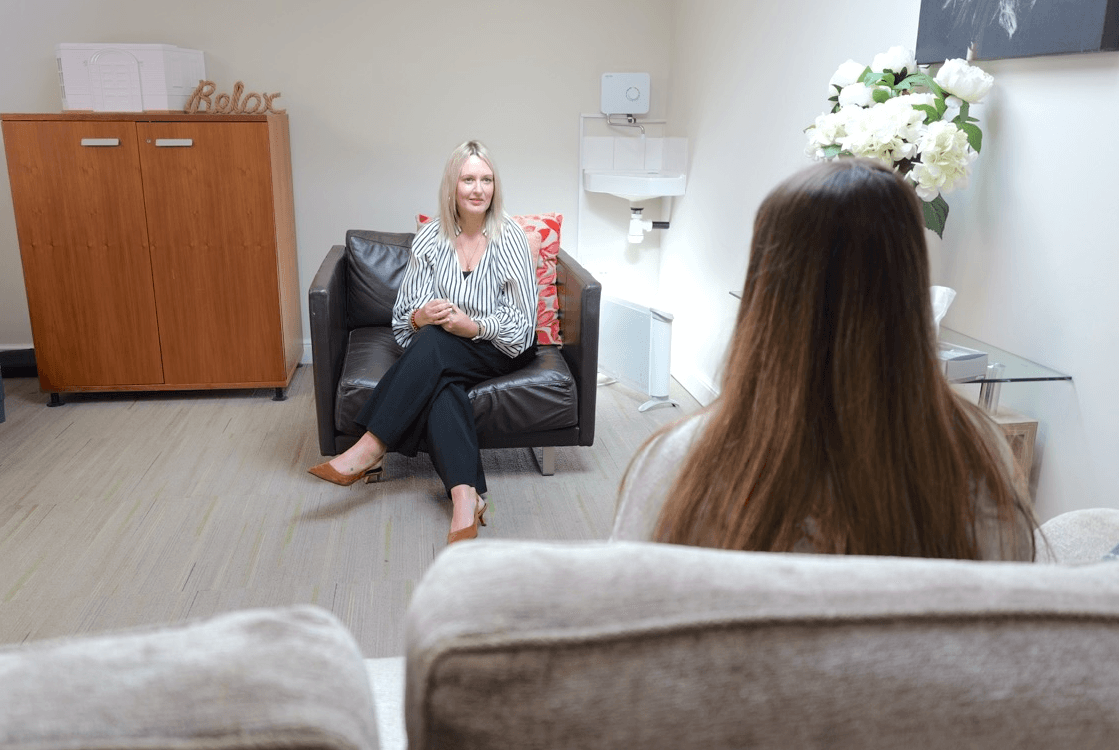
A calm, neutral, private environment removes distractions and helps clients associate the room with reflection and focus. A clean, intentional space signals professionalism from the moment a client walks in, and reinforces the boundaries that protect both client wellbeing and practitioner sustainability.
This isn't just anecdotal. A 2021 mixed-methods study published in Counselling and Psychotherapy Researchfound that comfortable seating, room temperature, soundproofing, freedom from interruption and easy accessibility were rated among the most important factors by both clients and therapists. Peer-reviewed research on psychological safety in therapy goes further, linking a client's sense of security directly to stronger therapeutic alliance and better outcomes.
A client's sense of security is linked directly to stronger therapeutic alliance and better outcomes.
Why consistency is non-negotiable
Clients rely on stability and the room they walk into each week becomes part of that. A consistent setting builds familiarity, reduces pre-session anxiety and creates the predictable rhythm therapeutic relationships depend on. When the environment shifts or feels improvised, it can quietly undermine that sense of containment.
What it does for the therapist, too
Practitioners give a great deal of emotional energy to this work, and without clear boundaries, that can tip into burnout. A dedicated professional space, separate from home, helps therapists create mental separation, decompress after sessions, and stay focused during client hours. This matters for every practitioner, but especially those working with trauma or long-term emotional support.
How Sidcup Space supports local therapists
Sidcup Space offers private, calm consulting rooms designed specifically for confidential therapeutic work. What you get:
- Private, neutral rooms suited to confidential sessions
- Flexible hourly booking that flexes around your caseload
- Comfortable, calming interiors designed to support emotional work
- Easy access for clients in Sidcup and surrounding areas
- No long-term lease or fixed overheads
Whether you're newly qualified or expanding an established practice, Sidcup Space lets you deliver professional-standard therapy without the commitment of a permanent office.
Ready to find your space?
If you're a therapist looking for a calm, professional room to support your clients, Sidcup Space offers flexible hourly hire designed around your practice. Enquire today to book a viewing or secure your therapy room.
Want to see the space?
All new users are shown around before their first booking.